
Make operating budgets go further across public buildings
Review facility costs and building improvements around your agency’s operating priorities. GreenStreet helps public-sector teams define the scope, evidence and procurement requirements for a property-specific engagement.
Start with your property details. Robert will help you evaluate the scope and next step. Prefer to talk? Book with Robert.
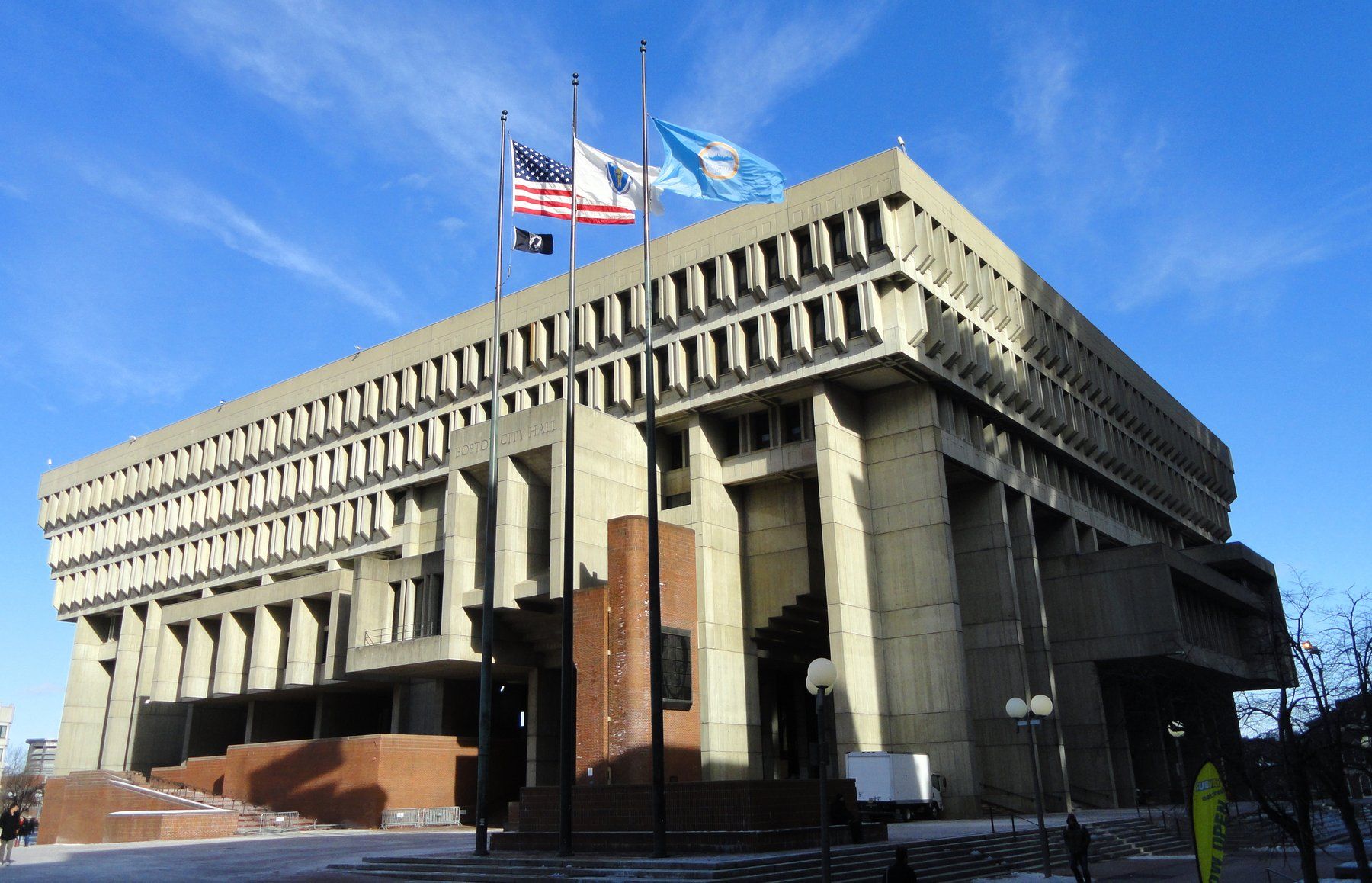
Start with your operating priorities
A local-government portfolio can include buildings with very different uses, schedules and maintenance needs. Start with expenses paid by the agency, the buildings it controls and the services that must continue. The financial objective is a clearer operating budget and better-informed building decisions.
Establish the procurement route first
Bring the agency’s procurement and finance teams into the discussion early. Confirm the permitted selection route, scope, budget authority and required approvals before appointing GreenStreet. No approved-contractor status or public-sector contract vehicle is implied.
An improvement that preserved the existing facade
Explore a hotel window-upgrade project when considering approaches to existing glazing. Public-sector appointments follow the agency’s procurement process.
preserved while upgrading existing windows
Explore the resultReview the costs and systems together
The AssetMax approach connects the operating-expense record with the later utility, building-systems and insurance review. The scope is agreed for your properties rather than assumed from a sector label.
Operating expenditure
Review agency-paid utilities, recurring supplier invoices and service agreements. Map consolidated records to the facilities, departments and contracts they cover.
Building systems
Evaluate HVAC, lighting, water and controls against equipment condition, occupancy, operating schedules and maintenance priorities.
Decisions and documentation
Identify supporting records, projected benefits, implementation requirements and the approvals needed for each proposed action.
Receive findings for the next decision
The consolidated report should identify the records reviewed, the opportunities, material assumptions and recommended next steps. Financial evaluation distinguishes projected improvements from verified outcomes. Where more investigation is needed, that should be clear before a supplier change, project or funding arrangement is approved.
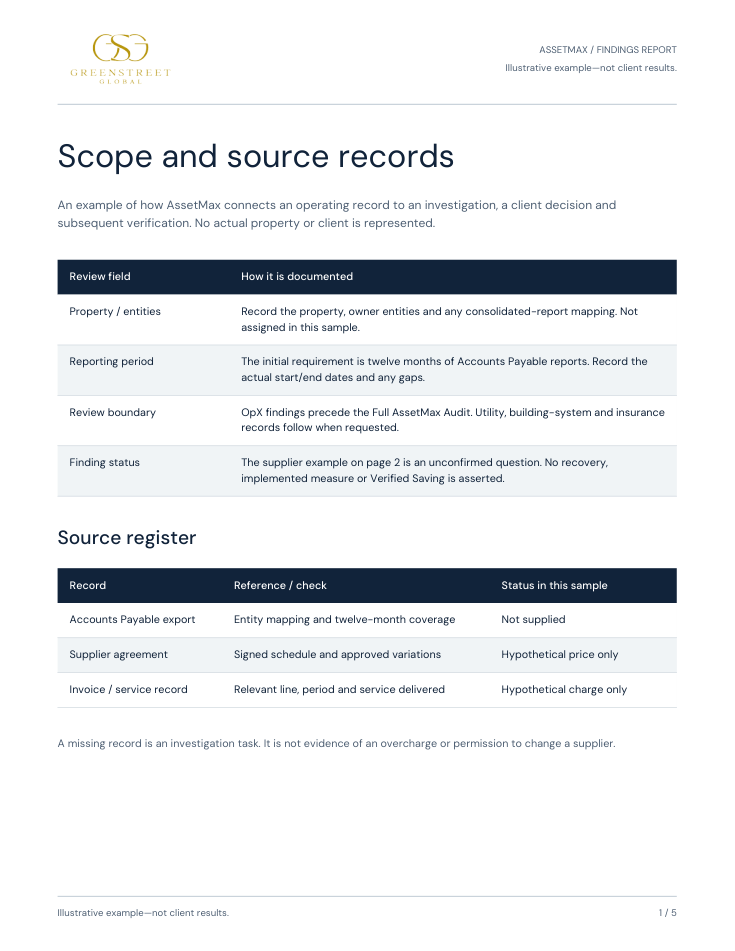 Illustrative example—not client results.Explore the five-page report ↗
Plan around the property
Coordinate assessment with facilities, finance and procurement staff. Public opening hours, essential services, access restrictions and planned maintenance should inform any proposed work. Recommendations are evaluated before contract changes, equipment work or funding arrangements are authorized.
Start with the agency and facilities
Tell Robert which buildings are involved, who pays the operating expenses and which procurement requirements are already known. If an engagement can proceed, agree the scope, commercial arrangements and record-handling process first. The OpX review then begins with twelve months of Accounts Payable reports, followed by the agreed specialist reviews.
Before you decide
Which facilities are the initial focus?
The initial focus is local-government buildings such as municipal offices, libraries, community centers and public works facilities. Discuss the buildings, agency responsibilities and intended scope with Robert. Federal contracting, utility infrastructure and specialist operational assets need a separate capability and procurement assessment.
Can an agency use the standard AssetMax commercial model?
That must be established through the agency’s procurement and approval process. Public-sector terms may require a separate arrangement. An inquiry does not appoint GreenStreet, accept the standard private-property engagement or establish eligibility for a procurement framework.
What should we prepare for the first conversation?
Identify the agency, facilities, expenses it pays, responsible departments and any known procurement requirements or budget timetable. No financial attachments are needed to inquire. The audit’s scope, commercial terms and permitted record-handling route must be agreed before analysis begins.
What information is needed to begin?
The free SpendVue assessment begins after the assessment letter is signed and twelve months of Accounts Payable reports are received by email. You do not need to gather utility bills or arrange a site visit to make an inquiry. After the SpendVue findings meeting, signed Master Services Agreement and $5,000 advance, the team requests the utility, insurance and building information needed for the next stage.
Does requesting an audit commit us to an engagement?
No. An inquiry starts a conversation about your properties and priorities. It does not accept the engagement letter or client terms, authorize work or start an audit. Scope, responsibilities and commercial obligations are agreed separately before the audit begins.
Request a free savings assessment
Tell Robert about your agency, facilities and known procurement requirements. Use the optional details to identify the responsible departments or a procurement contact. No financial attachments are needed.
- Discuss your priorities and the right review scope
- Understand the findings, responsibilities and fees
- Agree the next step for your property or portfolio
Your property details are enough to start. Audit documents follow through the agreed private process.
Book with Robert